
Key Takeaways
- Regular monthly inspections help identify small home issues early before they turn into costly repairs or major structural damage.
- A well-organized routine that separates interior, exterior, appliances, and safety systems makes home upkeep easier and more manageable.
- Checking plumbing, HVAC systems, and electrical components each month improves efficiency, safety, and long-term performance of the home.
- Exterior maintenance, such as roof inspections, gutter cleaning, and sealing windows, helps protect the home from weather-related damage and energy loss.
- Seasonal adjustments ensure the home is properly prepared for changing weather conditions and reduce the risk of system failures throughout the year.
- Consistency is key—setting a fixed monthly schedule helps homeowners stay on track and avoid neglecting important maintenance tasks.
- Having basic tools and a clear routine in place makes home maintenance faster, more efficient, and less stressful overall.
Owning a home is often described as a milestone of stability, comfort, and financial achievement. However, what many new and even experienced homeowners sometimes underestimate is that a home is not a static asset—it is a living system that constantly responds to weather, usage, age, and environmental conditions. Every pipe, wire, roof tile, appliance, and seal gradually experiences wear and tear. Without intentional upkeep, even the most well-built home will eventually develop issues that are costly and disruptive to fix.
This is where a structured approach to maintenance becomes essential. Instead of treating repairs as isolated emergencies, homeowners benefit greatly from adopting a routine that distributes care evenly throughout the year. A monthly maintenance system ensures that small issues are addressed before they escalate into major structural or financial problems. It also helps homeowners maintain a consistent level of comfort, safety, and energy efficiency inside their living space.
The idea behind this guide is not to overwhelm you with endless tasks, but to simplify homeownership into a manageable rhythm. By breaking maintenance into monthly actions, you create a cycle of prevention rather than reaction. Over time, this approach reduces stress, lowers repair costs, and extends the life of nearly every system in your home.
This article provides a comprehensive breakdown of what should be inspected, cleaned, and maintained every month. It also explains how seasonal changes affect your home and how to adjust your maintenance strategy accordingly. Whether you are a first-time homeowner or someone looking to improve your current system, this guide will help you build a practical and sustainable routine that protects your investment year-round.
Why Monthly Home Maintenance Matters
Home maintenance is often postponed because most systems appear to function normally until something breaks. The problem with this mindset is that visible functionality does not always reflect the underlying condition. A roof can slowly weaken beneath intact shingles, pipes can corrode without visible leaks, and electrical systems can degrade quietly over time.
A monthly maintenance routine acts as an early warning system. Instead of waiting for failure, you regularly inspect and evaluate key areas of your home. This proactive approach significantly reduces the likelihood of emergency repairs, which are often more expensive and stressful.
Another important reason monthly maintenance matters is the cumulative effect of small issues. A minor leak today can become structural water damage in a few months. A clogged gutter can lead to foundation problems if water is not properly redirected. These problems rarely appear suddenly; they develop gradually. Monthly inspections interrupt this progression before it becomes irreversible.
There is also a financial advantage. Preventive maintenance is consistently cheaper than corrective repairs. Replacing a small seal is far less expensive than repairing water-damaged flooring. Cleaning HVAC filters regularly is more cost-effective than replacing an overworked system.
Beyond cost savings, monthly maintenance improves quality of life. A well-maintained home is more comfortable, more energy-efficient, and safer for everyone living inside. Temperature regulation becomes more stable, air quality improves, and unexpected breakdowns become rare.
Ultimately, monthly maintenance transforms homeownership from reactive problem-solving into intentional property management, where every system is actively preserved rather than passively allowed to deteriorate.
How to Build a Practical Monthly Maintenance Routine
Creating a maintenance routine is not just about listing tasks—it is about building a system that fits into your lifestyle. Many homeowners struggle with consistency because they attempt to do too much at once or fail to organize tasks in a logical structure.
A practical monthly routine begins with categorization. Instead of viewing maintenance as one long checklist, it should be divided into manageable sections such as interior checks, exterior inspections, safety systems, and appliance monitoring. This structure makes the process less overwhelming and easier to complete.
Another key principle is timing. Assigning specific maintenance tasks to certain days of the month prevents procrastination. For example, you might dedicate the first weekend of every month to interior checks and the second weekend to exterior inspections. This creates a predictable rhythm that becomes easier to maintain over time.
Preparation also plays a major role. Keeping essential tools and supplies in a designated location reduces friction when performing tasks. If you have to search for tools every time, the likelihood of completing maintenance decreases significantly.
Documentation is another often overlooked element. Recording what you inspect, what issues you find, and what repairs are made helps you identify patterns over time. For example, repeated plumbing issues in the same area may indicate a deeper structural problem.
Using a structured home care checklist helps ensure that every critical area of the home is covered consistently. It also provides a sense of clarity and direction, especially for homeowners who are still learning what needs attention and when.
When all these elements are combined—structure, timing, preparation, and documentation—you create a maintenance system that is sustainable rather than sporadic.
What Should You Check Inside the Home Each Month?
The interior of your home is where most daily activities take place, making it one of the most important areas to monitor regularly. Even small issues inside the home can quickly escalate if they are not addressed promptly.
Are there any plumbing leaks or water stains?
Plumbing systems are constantly under pressure, and even minor weaknesses can lead to significant damage over time. Monthly inspections help you identify early warning signs before they become emergencies.
Leaks often begin in subtle ways. You might notice a faint musty smell under the sink, a small water stain on the ceiling, or a cabinet floor that feels slightly damp. These signs are easy to ignore but often indicate a developing issue.
It is also important to observe water flow behavior. Slow-draining sinks or toilets that require multiple flushes may signal partial blockages. While these issues may not seem urgent, they often worsen without intervention.
Common areas to inspect include:
- Under kitchen and bathroom sinks for moisture buildup
- Around toilet bases for hidden leaks
- Behind appliances connected to water lines
- Ceiling corners for discoloration or staining
Addressing plumbing issues early prevents mold growth, structural weakening, and costly water damage restoration.
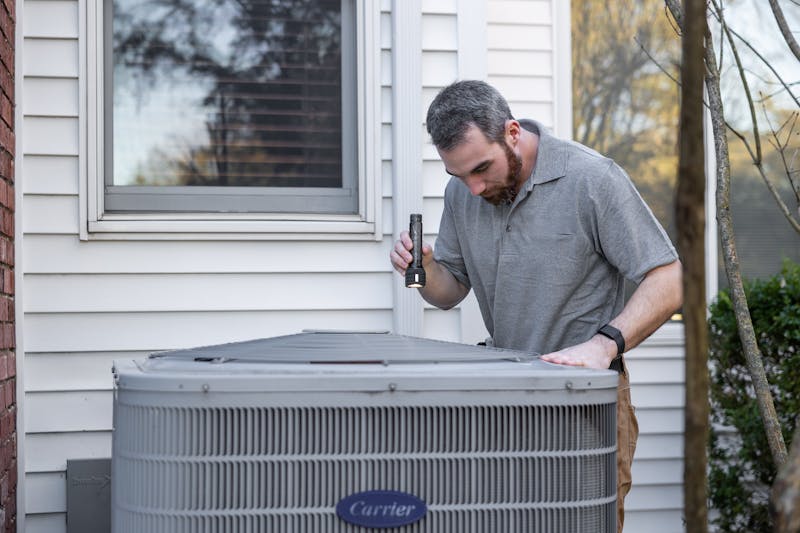
Is your HVAC system working efficiently?
Heating, ventilation, and air conditioning systems play a central role in maintaining comfort and air quality. Because they operate continuously in many homes, they naturally accumulate dust, wear, and strain.
Monthly HVAC maintenance ensures that airflow remains consistent and energy usage stays efficient. One of the simplest but most important tasks is checking air filters. Dirty filters restrict airflow, forcing the system to work harder and consume more energy.
Other warning signs include unusual noises such as rattling or humming, inconsistent room temperatures, or weak airflow from vents. These symptoms may indicate mechanical strain or blockages within the system.
Regular HVAC checks should include:
- Inspecting and replacing air filters when necessary
- Ensuring vents are unobstructed by furniture or dust buildup
- Testing thermostat accuracy for proper temperature regulation
- Listening for unusual operational sounds during startup and shutdown
Proper HVAC maintenance not only improves comfort but also extends the lifespan of the system, reducing the likelihood of costly replacements.
Are electrical systems safe and functional?
Electrical systems are often taken for granted until a problem occurs. However, even minor electrical issues can pose serious safety risks if ignored.
Monthly checks help identify early signs of wear or malfunction. Flickering lights, for example, may indicate loose wiring or unstable connections. Overloaded outlets can create fire hazards, especially when multiple high-energy devices are plugged into a single source.
It is also important to inspect extension cords and power strips. Frayed insulation or bent prongs should be replaced immediately.
Key electrical inspection points include:
- Testing light switches for responsiveness
- Checking outlets for discoloration or heat buildup
- Inspecting cords for visible damage or wear
- Monitoring circuit breakers for frequent tripping
Electrical safety should always be treated with caution. If issues persist, a professional evaluation is recommended to prevent long-term hazards.
Are appliances performing normally?
Appliances are essential to daily home function, yet they are often ignored until they stop working. Monthly monitoring helps identify performance changes early.
For example, a refrigerator that is not maintaining a consistent temperature may cause food spoilage. A washing machine that vibrates excessively may indicate an imbalance or internal wear. These issues often begin subtly but worsen over time.
Important appliance checks include:
- Monitoring refrigerator cooling consistency and noise levels
- Observing washing machine stability during cycles
- Checking oven heating accuracy and response time
- Ensuring the dishwasher drains properly without residue buildup
Regular attention to appliances improves efficiency and reduces the likelihood of unexpected breakdowns that disrupt daily routines.
What Should You Inspect Outside Your Home?
The exterior of your home acts as the first line of defense against weather, environmental stress, and external damage. Because it is constantly exposed to the elements, it requires consistent monitoring.
Is your roof showing signs of damage?
The roof is one of the most critical components of any home. Even minor damage can lead to leaks, insulation problems, and structural deterioration if left unaddressed.
Monthly roof inspections do not necessarily require climbing onto the roof. Instead, visual checks from the ground or attic can reveal early warning signs.
Common indicators of roof issues include:
- Missing or curling shingles
- Accumulation of debris in roof valleys
- Uneven surfaces or sagging sections
- Water stains or damp insulation in the attic
Identifying roof issues early helps prevent water intrusion, which is one of the most damaging problems a home can face.
Are gutters and drainage systems clear?
Gutters play a crucial role in directing water away from the home’s foundation. When they become clogged, water overflow can lead to erosion, basement flooding, or foundation cracks.
Regular cleaning ensures proper water flow. Leaves, twigs, and debris should be removed consistently, especially during seasons with heavy foliage.
Important gutter checks include:
- Ensuring downspouts are not blocked
- Checking for overflow during rainfall
- Inspecting joints for leaks or separation
- Confirming proper water direction away from the home
Proper drainage is essential for long-term structural stability.
Are windows and doors properly sealed?
Windows and doors are often overlooked, yet they significantly impact energy efficiency and indoor comfort. Poor sealing allows air leakage, moisture intrusion, and pest entry.
Monthly inspections should focus on detecting drafts, damaged seals, and alignment issues. Even small gaps can increase energy costs over time.
Key areas to evaluate include:
- Rubber seals and weather stripping condition
- Smooth opening and closing mechanisms
- Condensation between window panes
- Visible cracks or gaps around frames
Maintaining proper seals helps regulate indoor temperature and reduces energy consumption.
How Can You Improve Home Safety Every Month?
Safety systems are essential components of responsible homeownership. They act as protective mechanisms that alert you to danger before it escalates.
Are smoke and carbon monoxide detectors working?
These devices are critical for early detection of fire or gas-related hazards. Monthly testing ensures they remain functional when needed most.
A quick test of alarm sound and battery levels can reveal potential issues. Batteries should be replaced regularly, even if they still appear functional.
Important checks include:
- Testing alarm sound using the built-in test buttons
- Replacing batteries as needed
- Ensuring devices are properly mounted
- Checking the expiration dates of sensors
Reliable detectors can be life-saving in emergency situations.
Is your fire safety equipment accessible?
Fire preparedness goes beyond detectors. It includes ensuring that fire extinguishers and escape routes are always ready.
Fire extinguishers should be inspected to confirm they are fully charged and easily accessible. Household members should also be familiar with exit routes in case of an emergency.
Key safety practices include:
- Keeping fire extinguishers in accessible locations
- Ensuring exit pathways are clear of obstacles
- Reviewing emergency plans regularly
- Checking emergency lighting functionality
Preparedness significantly reduces response time during emergencies.
What About Seasonal Adjustments?
Seasonal changes significantly impact how your home should be maintained. Each season introduces unique environmental pressures that require specific attention.
Spring: Refresh and repair
Spring is a season of renewal, making it the ideal time to address winter damage and prepare for warmer months. Homeowners often use this period to reset their maintenance routines and conduct deep inspections.
Key activities include roof assessments after winter storms, thorough cleaning of interiors, and outdoor space restoration. Gardens and landscaping also require attention as plant growth resumes.
Spring maintenance focuses on restoration and preparation for increased activity throughout the year.
Summer: Cooling and protection
Summer brings high temperatures that can strain cooling systems and expose vulnerabilities in insulation. Air conditioning units must work harder, making efficiency checks essential.
Pest activity also increases during this season, requiring additional vigilance. Outdoor structures such as decks and fences may also experience heat-related wear.
Summer maintenance ensures comfort while preventing system overload.
Autumn: Preparation for colder months
Autumn is primarily about preparation. As temperatures begin to drop, homeowners must prepare heating systems and secure the home against cold weather.
This includes cleaning gutters of fallen leaves, sealing drafts, and storing outdoor furniture. Heating system inspections are particularly important to avoid winter breakdowns.
Autumn maintenance reduces the risk of cold-weather emergencies.
Winter: Monitoring and protection
Winter introduces risks such as frozen pipes, heating failures, and increased indoor moisture. Homes must be monitored closely to ensure safety and comfort.
Preventive measures include insulating exposed pipes, maintaining indoor humidity levels, and ensuring heating systems operate efficiently.
Winter maintenance focuses on protection and stability during harsh conditions.
How to Stay Consistent with Monthly Maintenance
Consistency is the most important factor in successful home maintenance. Without a system, even the best intentions can lead to irregular upkeep and missed tasks.
One effective strategy is scheduling maintenance on fixed dates each month. This creates a predictable habit that becomes part of your routine.
Using reminders, calendars, or printed lists helps reinforce accountability. Many homeowners also benefit from involving family members, turning maintenance into a shared responsibility.
When structured properly, consistent and timely home maintenance becomes a natural part of homeownership rather than a burdensome task.
Common Mistakes Homeowners Make
Despite good intentions, homeowners often fall into patterns that reduce the effectiveness of their maintenance efforts.
One common mistake is ignoring small issues. Minor leaks, cracks, or noises are often dismissed until they become serious problems.
Another issue is failing to adapt maintenance routines to seasonal changes. A static checklist does not account for environmental variations, which can lead to overlooked risks.
Poor documentation also creates challenges. Without records, it becomes difficult to track recurring problems or evaluate repair effectiveness.
Delaying professional help is another costly mistake. Some issues require expert intervention, and waiting too long often increases repair costs significantly.
Tools and Supplies Every Homeowner Should Have
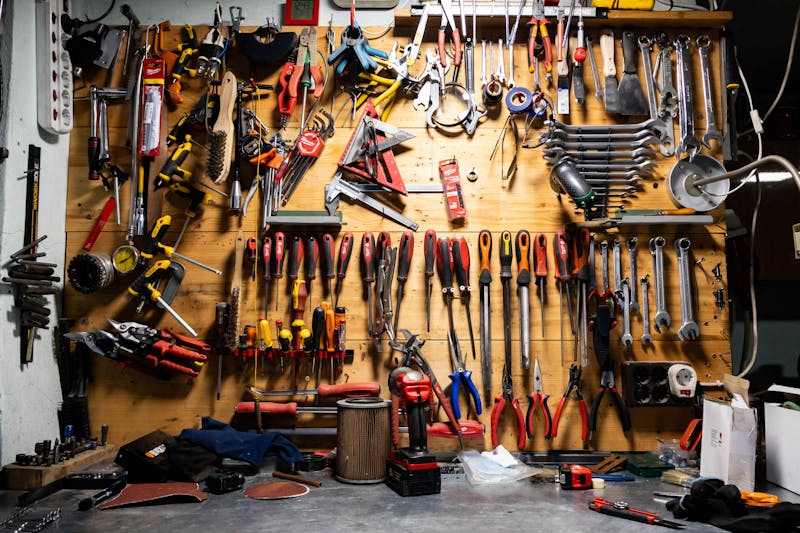
Having the right tools readily available makes maintenance more efficient and less stressful.
Essential items include:
- Basic hand tools such as screwdrivers, hammers, and pliers
- Flashlights for inspecting dark or hidden areas
- Cleaning supplies for drains and surfaces
- Replacement filters for HVAC systems
- Sealants for minor repairs
- Step ladders for exterior access
A well-prepared homeowner can complete most monthly tasks quickly and effectively.
Final Thoughts
Maintaining a home is an ongoing responsibility that requires structure, consistency, and awareness. When approached with a clear system, it becomes manageable and highly rewarding. Monthly inspections and seasonal adjustments ensure that your home remains safe, efficient, and comfortable throughout the year.
By treating maintenance as a continuous process rather than a reactive task, homeowners can protect both their investment and their quality of life.